
Water Slug
3D Model
Behavior
Map

Databank Entries
Water Slug
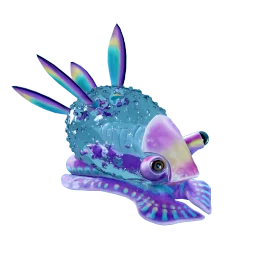
Water slug (tentatively Seaslug hydroclast). A biological enigma that converts seawater into drinkable fresh water.
-
Microbial fuel cell Removing salt from seawater is energy-intensive. Nonetheless, the water slug does it, perhaps as a byproduct of an internal microbial reactor that feeds on waste in seawater.
-
Fresh water reserve A hydrophobic plastic bulb that protects the slug from rapid dehydration by saltwater.
-
Plankton farm The slug's water bulb hosts a highly productive plankton species, turning light into food. Fresh water may be necessary for the plankton's chemistry, or it may be a prison—a way to keep the plankton from leaving.
-
Vampiric aura The water slug's developed beak has a sharp cutting surface. Possible evolutionary history as a parasite or commensal, tapping a host's blood and filtering out toxins.
Assessment: only nearby source of drinkable water. Advise fabricator cook before drinking. In case of kidney problems, consider allowing the water slug to feed on your blood.
Water Slug
Water slugs shelter in anemone grass and on cave floors. Cave floors are likely temporary shelters — slugs may require light for their metabolism.