
Combat guide
Fights in Gothic 1 Remake come down to three things: picking the right weapon for the matchup, training mastery before you stack raw stats, and knowing which enemies you aren't ready for yet. There's no stamina meter gating your swings. The punishment for overcommitting is the recovery window after every attack -- miss or get blocked, and you're standing still while the enemy isn't.
Weapon families
Four physical families and three schools of magic. Each family scales off a different stat and handles differently in close quarters.
| Family | Damage range | Requires | Handling |
|---|---|---|---|
 One-handed (63 weapons) One-handed (63 weapons) | 1–85 | Strength 5–70 | Fast recovery, tight spacing. Swords, axes, and maces. The reactive option -- block, sidestep, punish |
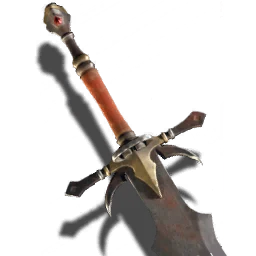
 Two-handed (60 weapons) Two-handed (60 weapons) | 7–110 | Strength 5–95 | Wider arcs, longer commitment, more reach. Higher damage ceiling but every miss costs you. Swords, battleaxes, and warhammers |
 Bow (24 weapons) Bow (24 weapons) | 20–88 | Dexterity | Ranged, mobile. Movement improves with skill tier. Best for kiting enemies that telegraph charges |
 Crossbow (4 weapons) Crossbow (4 weapons) | 60–120 | Dexterity | Slow reload, highest per-shot ranged damage. Four models, all late-game. Ambush weapon, not a main |
Bows and crossbows both scale from Dexterity. If you're building a ranged character, that's one attribute covering your entire arsenal.
Magic
Magic works through runes, not weapons. Three schools, each tied to a faction:
Fire magic -- Old Camp, Circle of Fire (Corristo). Highest raw damage. Fireball is the signature spell, and it scales hard into late game.
Water magic -- New Camp, Circle of Water (Saturas). Healing, crowd control, and ice damage. The hybrid-friendly school since mercenaries can also learn it.
Psionic magic -- Swamp Camp, the gurus and the Sleeper's sect. Bypasses physical armor entirely. Crowd control that makes pack fights manageable. Caps at Circle 4, so your damage ceiling is lower than a full fire or water mage.
If you want to cast, your faction choice is your magic choice. See the faction comparison for the trade-offs.
Mastery tiers
Three tiers for each weapon family: Untrained, Trained, and Master. Each tier changes your attack animations, recovery speed, and combo options. The same sword in the same hand feels like a different weapon at each tier.
| Tier | What changes |
|---|---|
| Untrained | Default state. Slow recovery, clumsy animations, no combos. You can swing, but every opening between hits is an invitation |
| Trained | Tighter animations, faster recovery, reliable blocking. This is the breakpoint that matters most -- Trained with 30 Strength beats Untrained with 50 Strength |
| Master | Combos open up, recovery is fast enough to chain attacks. The difference between Trained and Master is smaller than Untrained to Trained, but the combo chains make pack fights easier |
Train mastery before you stack damage attributes. This is the single biggest melee upgrade you can make. A Trained-tier fighter with middling Strength outperforms an Untrained fighter who dumped every learning point into raw stats. Spend LP at a weapon teacher, then push attributes after.
For the full LP math, see the progression guide. For crafting your own weapons, blacksmithing follows the same Untrained/Trained/Master structure.
Fighting each enemy type
The Colony has over two dozen creature families. Knowing what you're walking into matters more than your weapon's damage number.
Early game
These are your first 5–10 hours. If you're dying to anything in this tier, check your mastery before your weapon.
| Enemy | Variants | How to fight |
|---|---|---|
| Meatbug | 1 | Slow, harmless, everywhere. Don't waste arrows. Kill them for cooking ingredients |
| Rat | 1 | Fast but fragile. One or two hits. Only dangerous in numbers if you panic |
| Molerat | 2 | Your sparring partner. Block their committed swing, sidestep, punish. Practice your timing here |
| Scavenger | 5 (including variants) | Pack hunters. They circle. Keep your back to something solid and don't let them flank. Fast one-handed works best |
| Biter | 1 | Like a scavenger with more health. Same tactics, just takes longer |
| Wolf | 3 | Fast, pack-oriented. Keep an exit route. If three or more surround you, retreat and funnel them through a chokepoint |
Mid game
You should be Trained-tier in your main weapon before pushing into these encounters regularly.
| Enemy | Variants | How to fight |
|---|---|---|
| Bloodhound | 1 | Tougher wolf. Same pack tactics apply but they hit harder. Bow opener, then melee |
| Snapper | 1 | Lunging attack with long reach. Give space, wait for the recovery, punish once. Bow first if you have the angle |
| Lurker | 1 | Ambush predator near water. Quick lunges. Keep distance and use ranged, or bait the lunge and sidestep |
| Bloodfly | 1 | Airborne, annoying. Ranged is ideal. Melee requires patience -- wait for them to dive |
| Lizard | 3 | Armored. Edge weapons struggle. Blunt or heavy two-handed cuts through faster |
| Harpy | 2 | Airborne with dive attacks. Bow them down or time your melee swing to catch the dive |
| Orc Dog | 1 | Fast, aggressive. Treat like a wolf that hits twice as hard |
| Swampshark | 3 | Swamp territory. High health, strong bite. Ranged kiting or Trained two-handed |
| Minecrawler | 7 (including warriors and queens) | Underground threats. Tight tunnels make dodging hard. Blunt weapons work well. Bring healing |

Get the most from Gothic 1 Remake with Wand
Explore interactive maps, game customizations and more with the Wand appLate game
If you aren't Master-tier and well-armored, these fights will end you.
| Enemy | Variants | How to fight |
|---|---|---|
| Shadowbeast | 3 | Long reach, high damage. Wait for a real opening, hit once, retreat. Greed kills you here |
| Troll | 3 | Enormous health pool, devastating hits. Ranged kiting is safest. Melee requires perfect timing and heavy armor |
| Golem | 5 (fire, ice, stone, swamp, ore) | Elemental resistances vary by type. Match your damage type or use magic. Golem drops feed permanent stat potions -- see the alchemy guide |
| Skeleton | 3 | Resistant to edge damage. Bring blunt weapons. Maces and warhammers cut the fight in half |
| Zombie | 1 | Slow but tough. Keep hitting. Fire magic is effective |
| Goblin | 3 | Small, fast, annoying in groups. Area attacks or ranged to thin the pack |
| Demon | 7 (including lesser and greater) | The hardest regular enemies. High damage, elemental attacks. Magic or Master-tier two-handed. Ore armor recommended |
| Orc | 4 (warriors, scouts, shamans, elites) | Real weapon skill, real armor. Block, read their stance, counter. The closest thing to fighting another player |
Boss
The Sleeper is the final encounter. One form. Everything you've built toward.
Armor matters
Protection varies massively by armor set and faction path. Physical protection (blunt and edge) ranges from 10 on light mercenary gear to 100 on Ore armor -- the best physical set in the game. Elemental resistance depends on your faction: fire mage robes have 60 fire resistance but only 25 physical, while guard armor flips that ratio. If you're dying to a specific damage type, check whether your armor actually protects against it.
For faction-specific armor breakdowns, see the camp guides: Old Camp, New Camp, Swamp Camp.
When to retreat
The enemy isn't dying in 3–4 hits. You're underleveled or using the wrong damage type. Come back stronger.
You can't block their attacks. Your armor's protection type doesn't match their damage. Switching gear might be enough.
Reinforcements are visible. Pack enemies escalate fast. One wolf is practice. Four wolves is a reload.
You're out of healing and the fight isn't close to over. Gothic's open world does not promise every visible enemy is a fair fight. Walking away is a strategy.
For food-based healing between fights and potions during them, see the crafting guides.